Honest gardeners Barking real cost of garden maintenance IG11
If you are trying to figure out the Honest gardeners Barking real cost of garden maintenance IG11, you are probably doing what most sensible people do before booking anything: you want the numbers to make sense, the service to be clear, and the final bill to feel fair. That is entirely reasonable. In Barking and across IG11, garden maintenance can range from a simple tidy-up to a proper ongoing care plan, and the real cost depends on what your garden actually needs, not just the postcode.
This guide breaks down what honest pricing usually looks like, what changes the price, what you should expect from a reputable gardener, and how to avoid paying for work you do not need. It also links naturally to useful service and advice pages so you can compare options without wandering in circles.
Table of Contents
- Why Honest gardeners Barking real cost of garden maintenance IG11 Matters
- How Honest gardeners Barking real cost of garden maintenance IG11 Works
- Key Benefits and Practical Advantages
- Who This Is For and When It Makes Sense
- Step-by-Step Guidance
- Expert Tips for Better Results
- Common Mistakes to Avoid
- Tools, Resources and Recommendations
- Law, Compliance, Standards, or Best Practice
- Options, Methods, or Comparison Table
- Case Study or Real-World Example
- Practical Checklist
- Conclusion
- Frequently Asked Questions
Why Honest gardeners Barking real cost of garden maintenance IG11 Matters
Garden maintenance is one of those services that can seem straightforward until you start comparing quotes. Then suddenly you are looking at wildly different prices for what sounds like the same job. One gardener says "basic tidy-up," another says "full clearance," and a third bundles hedge work, weed control, and lawn care into a maintenance visit. Easy to get muddled. Very easy.
The real cost matters because most garden jobs are not one-size-fits-all. A small paved courtyard in IG11, for example, may need little more than weeding, sweeping, and a trim every few weeks. A mature family garden with hedges, borders, lawn patches, and a composting area may need much more time and specialist kit. If you do not understand the cost drivers, you may overpay for routine work or underbudget for a proper maintenance plan.
Honest pricing also builds trust. A good gardener should be able to explain what is included, what is excluded, and why a particular garden takes the time it does. That is what you want: not cheap for the sake of cheap, but clear, fair, and predictable. If you are comparing ongoing maintenance with one-off work, it can also help to look at a broader garden maintenance service as well as more specific tasks like lawn mowing or hedge trimming in Barking.
Expert summary: the "real cost" of garden maintenance in IG11 is less about a headline number and more about the scope, frequency, access, and condition of the garden. Honest quotes reflect those details plainly.
How Honest gardeners Barking real cost of garden maintenance IG11 Works
At its simplest, garden maintenance pricing is based on time, labour, materials, and complexity. But the reality is a little more nuanced. A gardener may quote by the hour, by the visit, or as a recurring package. Each method has its place, and each can be fair if it is explained clearly.
In IG11, the common cost drivers usually include:
- Garden size - larger spaces take longer to mow, weed, edge, prune, and clear.
- Condition - an overgrown garden costs more than a regularly maintained one. No surprise there.
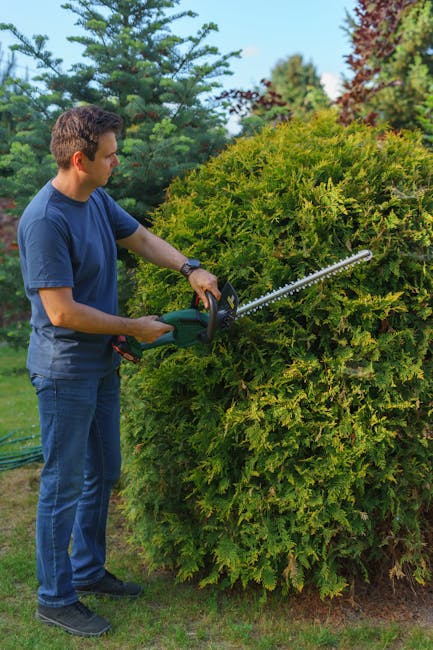
- Task mix - lawn care, hedge trimming, patio cleaning, pruning, and waste removal all add time.
- Access - narrow side paths, locked gates, or awkward storage spaces can slow work down.
- Season - spring and summer maintenance often means faster regrowth and more frequent visits.
- Waste handling - green waste removal may be included or charged separately.
A transparent gardener will usually inspect the garden first or ask for detailed photos before quoting. That is not fussiness; it is how you avoid misunderstandings later. If your garden needs more than routine maintenance, you may also want to explore related services such as lawn care, patio cleaning, or even broader gardening services when several jobs need doing at once.
There is also a difference between maintenance and restoration. Maintenance keeps a garden under control. Restoration catches up after months, or even years, of neglect. The second costs more because it usually includes extra labour, heavier pruning, clearance, and sometimes follow-up visits. Truth be told, most pricing confusion starts right there.
Key Benefits and Practical Advantages
Honest, well-structured garden maintenance brings benefits that go beyond a neat lawn. It can actually save money, reduce stress, and stop small problems becoming expensive ones. Let's face it, a garden ignored for one season can become a weekend-eating monster by the next.
- Better budgeting - you know what a regular visit costs and can plan around it.
- Fewer surprise jobs - routine care stops hedges, weeds, and borders from running wild.
- Healthier plants - timely pruning, feeding, and weed control keep growth balanced.
- Safer outdoor spaces - clear paths, trimmed growth, and tidy edges reduce trip hazards.
- Better kerb appeal - especially useful if you are renting, selling, or simply want to enjoy the place.
- Less waste - regular maintenance is usually more efficient than major clearances.
There is a practical upside too: once a gardener learns your space, visits tend to become more efficient. They know where the trouble spots are, which hedge grows fastest, and which corner gets shady and damp after rain. That kind of familiarity can make ongoing maintenance better value than one-off jobs.
For gardens that need some clever low-effort improvements, it can also help to consider designs that reduce future work. Our readers often find useful ideas in these low-maintenance garden ideas and ground cover planting options.
Who This Is For and When It Makes Sense
This topic matters to a wide mix of people in Barking and IG11. Some want a tidy front garden, others need dependable ongoing help, and some just do not have the time or mobility to keep up with everything themselves. Fair enough.
It usually makes sense for:
- Busy homeowners who want a tidy garden without losing their weekends.
- Landlords and property managers who need outdoor areas presentable between tenants.
- Older residents who prefer help with heavier or repetitive garden tasks.
- Families who want safer spaces for children and pets.
- New homeowners who have inherited a garden that needs regular care.
- People recovering neglected spaces after a move, winter, or a long busy period.
It can also be a sensible choice if you are trying to protect a particular feature rather than the whole garden. For example, a hedge that needs regular shaping, a lawn that suffers from patchy wear, or a patio that gets slippery and green. In that case, a targeted service may be more cost-effective than a broad all-garden visit.
If you are in a position where the space has become a little overwhelming, there is a very useful starting point in reviving a neglected garden. That kind of reset can make later maintenance much easier.
Step-by-Step Guidance
If you want to understand what you are paying for, or prepare for a quote, use a simple process. It will save time on both sides and, frankly, it makes you a much better customer.
- List the tasks you actually need. Be specific: mowing, edging, hedge trimming, weed removal, patio sweeping, leaf clearance, or planting help.
- Note garden size and condition. Mention whether the garden is regularly maintained or has become overgrown.
- Take clear photos. Wide shots and close-ups help a gardener judge the real work involved.
- Decide on frequency. Weekly, fortnightly, monthly, or seasonal visits each affect the total cost.
- Ask what is included. Confirm waste removal, fuel, tools, and any extra labour before agreeing.
- Compare like for like. A cheaper quote is not cheaper if it excludes half the work you need.
- Review the first visit carefully. After the initial tidy-up, maintenance may become quicker and less costly.
One small but important point: if your lawn has been left a bit wild, ask whether it should be prepared before cutting. A good starting point is this guide on preparing your lawn for mowing. That kind of preparation often makes the first cut cleaner and reduces damage.
When in doubt, ask for a written explanation. It does not have to be formal or stiff. Just clear. Clear beats clever every time.
Expert Tips for Better Results
After seeing many gardens in different states, a few patterns become obvious. The best value comes from regularity, realistic expectations, and matching the job to the right service level.
- Keep maintenance consistent. Small, regular visits usually cost less over the year than big rescue jobs.
- Group tasks together. If the gardener is already on site, combining mowing, trimming, and weed control can be efficient.
- Seasonal planning helps. A hedge that is tackled before it becomes dense is much easier to manage.
- Be honest about access issues. A hidden side gate or a steep path matters more than people think.
- Ask about plant choices. A few smart swaps can lower future maintenance without making the garden look bare.
- Do a quick tidy before the visit. Moving toys, pots, or hosepipes can genuinely save time.
There is also value in choosing planting that naturally reduces labour. Ground covers can cut down weed pressure, evergreen climbers can soften walls, and privacy hedges can be shaped into easier forms. If that sounds useful, have a look at fast-growing privacy hedges and shade-loving evergreen climbers.
A slightly odd but true observation: the tidiest gardens are rarely the most expensive ones to maintain. They are usually the most thought-through. That is the trick.
Common Mistakes to Avoid
Most pricing problems come from avoidable misunderstandings rather than bad service. You can sidestep a lot of frustration by watching for these common mistakes.
- Booking without defining the job. "General maintenance" is too vague if you actually need hedge reduction and waste removal.
- Ignoring the initial condition. A neglected garden takes more labour than a neat one. Pretending otherwise rarely ends well.
- Comparing only the headline price. Two quotes can look similar and still cover very different scopes.
- Forgetting seasonal growth. Hedges, lawns, and weeds do not sit still in spring and summer.
- Assuming tools and disposal are always included. Sometimes they are, sometimes not. Ask.
- Skipping maintenance after the first tidy-up. That is how a garden sneaks back into chaos. Quietly, annoyingly.
Another common slip is underestimating specialist work. Ivy removal, for instance, can look quick from a distance and become fiddly once you start protecting walls, fences, and surfaces. If that is part of your garden's story, this guide on removing ivy properly is worth a read.
And if your garden includes kids or pets, the maintenance conversation should include safety, not just appearance. More on that below.
Tools, Resources and Recommendations
A trustworthy gardener should use the right tools for the right job, and you do not need a warehouse of equipment to spot good practice. Usually, the basics tell you a lot.
- Powered mower or hand mower for lawn cutting, depending on lawn size and surface.
- Secateurs and loppers for clean pruning and hedge work.
- Rake and leaf tools for seasonal tidy-ups.
- Edging tools for those neat lines that make a garden look cared for.
- Gloves, eye protection, and sturdy footwear to keep work safer.
- Waste bags or containers for green waste collection and tidy disposal.
If you like to understand how the practical side works, this overview of essential gardening tools gives a simple picture without the fluff. For new gardeners, the wider advice in gardening basics for beginners can also help you decide what really needs professional attention and what you can manage yourself.
Garden style matters too. A more structured space with defined borders and light planting may be easier to maintain than a mixed, densely planted garden. If you want ideas that lower future effort, vertical garden ideas and container gardening can be surprisingly practical.
Law, Compliance, Standards, or Best Practice
For ordinary home garden work, the key issue is not heavy regulation; it is good practice, safety, and clear agreement. That said, professional gardeners should still work responsibly, especially where tools, sharp equipment, waste handling, or ladders are involved.
Good practice usually includes:
- Clear scope of work before any job starts.
- Safe use of equipment and sensible protective gear.
- Respect for property boundaries, access routes, and neighbouring gardens.
- Careful handling of waste so gardens are left tidy and not cluttered.
- Transparent terms for cancellation, payment, and any follow-up work.
If you are comparing providers, it is sensible to review pages that explain safety, security, and terms in plain English. These are the kinds of pages that help you feel comfortable before work starts: insurance and safety, health and safety policy, payment and security, and terms and conditions.
For service expectations and pricing clarity, the most useful page is often pricing and quotes. That is where honest providers usually show their thinking, even if the final figure still depends on the garden itself. Fairness matters. So does plain speaking.
And if a problem does arise, there should be a clear way to raise it. A straightforward complaints procedure is a good sign, not a bad one. It shows the business expects to handle issues properly instead of making excuses.
Options, Methods, or Comparison Table
There are a few common ways garden maintenance is priced and delivered. The best option depends on how often you need help and how predictable your garden is. Here is a simple comparison.
| Method | Best for | Pros | Watch-outs |
|---|---|---|---|
| One-off tidy-up | Overgrown gardens, spring resets, pre-event prep | Quick improvement, good for a reset, easy to book | Can be more expensive if the garden keeps deteriorating |
| Regular maintenance visit | Gardens that need consistent control | Usually best value over time, fewer surprises, neat appearance | Needs commitment and a clear schedule |
| Seasonal maintenance | Garden owners who need help at peak times only | Flexible, helpful for hedge bursts, leaf fall, and planting changes | May not stop growth from getting ahead between visits |
| Task-based service | Specific jobs like hedge cutting or lawn care | Good if only one area needs attention | Can become fragmented if several jobs build up |
There is no single "best" method for every household. A rental property with a front garden may work well on a simple recurring visit. A family home with pets, a lawn, and fast-growing hedges might need a more flexible plan. To be fair, that is what makes the honest quote important: it matches the method to the garden, not the other way around.
For very large or complex spaces, it can be worth looking beyond maintenance alone and considering landscaping, tree surgery, decking services, or fencing if the structure of the garden itself needs attention.
Case Study or Real-World Example
Here is a realistic local example. A household in IG11 has a medium-sized back garden with a lawn, two hedge lines, a patio, and a few weedy borders. For months, the lawn has gone a bit shaggy, the hedge has pushed outward, and the patio has developed a thin green film after a damp spell. Nothing dramatic. Just one of those gardens that quietly asks for help every time you look at it.
What happens in a case like this?
- The first visit usually takes longer because the garden needs a reset.
- The gardener may mow, edge, clear weeds, trim hedges, and tidy surfaces.
- If waste removal is needed, that should be part of the quote or listed separately.
- After the initial clean-up, ongoing visits are usually quicker and more predictable.
In practice, that means the "real cost" on the first visit can feel higher than expected, but the later maintenance often becomes much more manageable. That is why asking for two figures can be useful: one for the first tidy-up, and one for routine upkeep. It gives you the true picture instead of a vague promise.
We have also seen that gardens become easier to maintain when owners make a few sensible planting choices afterwards. For example, shade-tolerant planting in awkward corners, ground cover in weed-prone beds, or better spacing around paths. Small changes, big difference. It is not glamorous, but it works.
Practical Checklist
Use this checklist before booking or renewing maintenance in Barking IG11.
- Have I listed every task I want done?
- Do I know whether this is one-off, seasonal, or ongoing maintenance?
- Have I shared photos or explained access issues?
- Do I know if waste removal is included?
- Have I asked what is excluded from the quote?
- Is the garden currently tidy, partly tidy, or overgrown?
- Do I need lawn care, hedge trimming, patio cleaning, or all three?
- Will the garden need special attention for pets or children?
- Do I understand the payment terms and cancellation terms?
- Have I checked whether follow-up visits will be cheaper once the garden is under control?
If you want to make the outdoor space easier to live with day to day, a few specialist guides can help shape your plan. For example, creating a dog-friendly garden, designing a playful and safe garden for kids, and designing better sitting spaces all point toward lower-friction, more usable gardens.
And if winter is the season that knocks your garden back every year, it is worth planning ahead with winter plant protection tips and severe weather protection strategies.
Get a free quote today and see how much you can save.
Conclusion
The honest answer to the real cost of garden maintenance in IG11 is that there is no single flat price that fits every garden. What matters is scope, frequency, condition, and whether you are looking for a tidy-up or a proper ongoing plan. A fair quote should explain those things without making you decode mystery language.
If you ask the right questions, compare like for like, and choose the service level that matches your garden's actual needs, you will usually end up spending better, not just spending less. That is the real win. A garden that feels calm, usable, and looked after. Nothing fancy. Just solid, honest value.
And honestly, that is what most people want in the end: less guesswork, fewer surprises, and a garden that makes you breathe a little easier when you step outside in the morning.
Frequently Asked Questions
What is the real cost of garden maintenance in Barking IG11?
The real cost depends on the size of the garden, how overgrown it is, what tasks are needed, and whether you want a one-off tidy or regular visits. An honest quote should break that down clearly.
Why do garden quotes vary so much?
Quotes vary because one gardener may include waste removal, hedge work, or patio cleaning while another only covers a basic mow and tidy. Scope matters more than the postcode alone.
Is regular maintenance cheaper than one-off garden clearances?
Usually, yes. Regular maintenance tends to prevent bigger jobs from building up, so the total annual cost is often lower than repeated rescue work after long gaps.
Should I choose a package or pay per visit?
If your garden needs consistent care, a package can be better value and easier to plan around. If you only need occasional help, paying per visit may suit you better.
What should be included in a garden maintenance quote?
You should expect a clear list of tasks, the frequency of visits, whether waste removal is included, and any extras such as hedge trimming or patio cleaning.
How do I tell if a quote is honest?
A good quote sounds specific. It explains what is included, what is not included, and why the job takes the time it does. If everything is vague, that is a warning sign.
Can a neglected garden cost much more to maintain?
Yes. A neglected garden often needs extra labour for clearance, heavy pruning, and sorting out weeds or overgrowth before normal maintenance can begin.
Do I need lawn care as well as general maintenance?
If your lawn is patchy, overgrown, or regularly struggling, dedicated lawn care may be worth adding. It can improve the result more than basic mowing alone.
Is hedge trimming usually priced separately?
Often, yes. Hedge trimming can be a separate task because it takes different tools, more time, and sometimes more cleanup than general garden tidying.
What if my garden has pets or children?
Tell the gardener in advance. Safety matters, especially where tools, sharp edges, slippery areas, or plant choices could affect how the work is done.
Do I need to be home while the gardener works?
Not always, but it depends on access, payment arrangements, and your comfort level. Many people prefer to be available for the first visit and then decide from there.
How often should garden maintenance happen?
That depends on growth rate and how tidy you want the space to stay. Some gardens need weekly attention in peak season, while others manage well with monthly or seasonal visits.
Where can I compare services before booking?
It helps to review pages such as garden maintenance, pricing and quotes, and about us to understand how the service is presented and what standards you can expect.
What is the best next step if I want a clear price?
Gather a few photos, list the jobs you need, and use the contact page to request a quote. That gives the gardener enough detail to price the work fairly instead of guessing.
For direct help, you can start with the contact page and ask for a quote based on your actual garden condition, not just a rough idea. That simple step often makes the whole process calmer and more transparent.